Familiar situation? It’s morning, you brew your favorite cup of espresso, enjoy the aroma, take a sip anticipating a surge of energy... but the magic doesn't happen. Your eyes are still heavy, and your brain refuses to switch on fully. You drink a second cup, but instead of the desired concentration, you only get a racing heartbeat and mild anxiety.
Many of us face the problem where coffee doesn't invigorate us like it used to. Does this mean something is wrong with your body, or that the coffee has "gone bad"? Not at all. This is a natural biological process that can and should be managed. Let’s break down the mechanisms of this phenomenon and figure out how to bring back the joy of every sip.
The Chemistry of Energy: How Caffeine Interacts with the Brain

To understand why the effect disappears, we need to understand how it appears in the first place. Caffeine itself does not carry energy (like glucose, for example). It is a master of masking fatigue.
There is a neurotransmitter in our brain called adenosine. Throughout the day, while we are active, adenosine levels rise. It binds to special receptors in the brain, signaling the body: "You are tired, it's time to rest." The more adenosine attaches to the receptors, the sleepier we feel.
The caffeine molecule is very similar in structure to adenosine. Entering the bloodstream, caffeine occupies these receptors but does not activate them. It simply blocks them, preventing the real adenosine from "parking." As a result, the brain does not receive the fatigue signal, and we feel a surge of strength.
Interesting fact: Studies show that peak caffeine concentration in the blood is reached 30–60 minutes after consumption, and its half-life can range from 3 to 5 hours.
What Is Coffee Tolerance and Where Does It Come From?
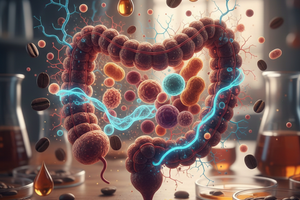
The human body is an incredibly adaptive system that always strives for balance (homeostasis). When you regularly block adenosine receptors with caffeine, the brain realizes that something is not going according to plan. It "sees" that there is a lot of adenosine floating around, but the signal about fatigue is not getting through.
In response, the brain starts creating new adenosine receptors. Now, to block all of them and get the same invigorating effect, you need a larger dose of caffeine. This is exactly how coffee tolerance is formed.
This is not a disease or a sentence. It is a sign that your body is working correctly. As a responsible Trevi coffee manufacturer, we always emphasize that consumption culture is more important than the number of cups drunk. Understanding your body allows you to enjoy our product without negative consequences.
The Genetic Factor: Why Are We Different?
It is worth noting that the rate of habituation varies for everyone. The CYP1A2 gene is responsible for caffeine metabolism in the liver.
-
"Fast Metabolizers": Break down caffeine quickly; can drink an espresso in the evening and fall asleep peacefully.
-
"Slow Metabolizers": Eliminate caffeine for a long time, so the tolerance effect may develop differently for them, and side effects (tremors, insomnia) occur faster.
Signs That You Need a "Coffee Reset"
How do you know if you have developed caffeine habituation? Here are a few markers:
-
The usual morning cup no longer gives a sense of mental clarity.
-
You drink coffee not for pleasure, but just to feel "normal" and avoid a headache.
-
The duration of caffeine's action has shortened — drowsiness returns after just an hour.
-
Increasing the dose leads only to irritability, not energy.
How to Restore the Effect: Action Strategy
The good news is that tolerance is reversible. The number of receptors returns to normal if you give your body a break. Here are some proven methods:
1. Change the Preparation Method and Dosage
Sometimes we just get used to the taste and ritual, ignoring the amount of caffeine. Try changing the brewing method or strictly controlling the weight. A convenient option for portion control is Coffee in capsules, because each capsule contains a consistently identical amount of ground beans. This allows you to track exactly how much caffeine you are consuming and not exceed your norm, unlike preparing coffee "by eye."
2. The 90-Minute Rule (Cortisol)
Many people drink coffee immediately after waking up. This is a mistake. In the morning (approximately between 8:00 and 9:00), the level of the hormone cortisol (the "stress hormone" that wakes us up) is already high. Caffeine is ineffective at this time and only accelerates the development of tolerance.
-
Tip: Drink your first cup 90–120 minutes after waking up, when cortisol levels begin to drop.
3. Caffeine Detox (Cycling)
The most effective way to "reset" receptors.
-
Soft option: Gradually reduce the number of cups over a week. Replace some servings with decaffeinated coffee (decaf).
-
Full reset: Abstinence from caffeine for 5–7 days. The first few days can be difficult, but then receptor sensitivity will be restored, and you will again feel that magical effect from a single cup of Trevi.
4. Sleep and Hydration
Remember, coffee is not a substitute for sleep. If you are chronically sleep-deprived, there is so much adenosine in the brain that no amount of coffee can block all the receptors. Additionally, caffeine has a mild diuretic effect, and dehydration itself causes fatigue. A glass of water before coffee is a coffee lover's golden rule.
Conclusion
The fact that coffee sometimes stops "working" is a normal reaction of a healthy body. Don't be afraid of it. Listen to your body, take small breaks, or adjust your coffee schedule. This will allow you not to turn your favorite drink into a simple habit, but to enjoy the rich taste and true vigor that selected beans provide every time.