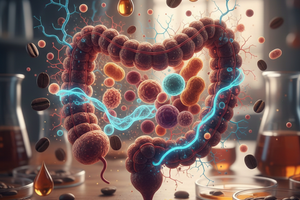
Coffee is a beverage that has firmly established itself in everyday life. But before enjoying a cup of this aromatic drink, it is important to understand the benefits and potential risks it may bring. In this article, we will explore various aspects of coffee consumption, including its effects on men and women, as well as the special properties of green coffee.
Benefits of Coffee
Coffee contains many beneficial components, including antioxidants and caffeine, which stimulates the nervous system.
Let’s look at how coffee can be beneficial for the body:
-
Antioxidants
One of the key benefits of coffee is its rich content of antioxidants, which help fight inflammation, slow down aging, and protect cells from damage. -
Improved Performance
Caffeine stimulates brain activity, helping with focus and increasing energy levels. This makes coffee an excellent companion during mental and physical exertion. -
Mood Enhancement
Caffeine promotes the production of dopamine—the “happiness hormone”—which can improve mood and reduce fatigue.
Coffee: Benefits and Risks for Women
Women often pay attention to how beverages affect their skin, hormonal balance, and overall well-being.

Let’s consider the benefits and risks of coffee for women:
Benefits for women:
-
Improved skin condition: Antioxidants in coffee can help rejuvenate the skin, reduce inflammation, and protect against aging.
-
Reduced risk of certain diseases: Studies show that women who drink coffee in moderation may lower the risk of type 2 diabetes and depression.
Risks for women:
-
Hormonal balance: In some women, excessive caffeine intake may cause hormonal fluctuations, especially important to consider during pregnancy or menstruation.
-
Iron absorption issues: Coffee can interfere with iron absorption, which is especially important for women prone to anemia.
Benefits and Risks of Coffee for Men
The benefits and risks of coffee for men have their own characteristics due to physiological differences.

Benefits for men:
-
Increased physical endurance: Caffeine improves blood circulation and supports the body’s tone, helping enhance athletic performance and speed up recovery after exertion.
-
Reduced risk of diseases: Moderate coffee consumption lowers the risk of Parkinson’s disease and liver cirrhosis.
Risks for men:
-
Effect on potency: Some evidence suggests that excessive caffeine intake may negatively affect potency, although moderate doses do not carry this risk.
-
Increased blood pressure: Like in women, caffeine can raise blood pressure, which is especially dangerous for men with hypertension.
Green Coffee: Benefits and Risks
Green coffee consists of unroasted beans that retain more natural compounds, including chlorogenic acid. However, it also has its benefits and risks.
Benefits of green coffee:
-
Aid in weight loss: Research shows that chlorogenic acid can accelerate metabolism and help with weight reduction.
-
Improved liver function: Green coffee helps lower blood sugar levels and supports overall liver health.
Risks of green coffee:
-
Overstimulation of the nervous system: Green coffee contains caffeine, which can cause anxiety, insomnia, and high blood pressure if consumed in large amounts.
Caffeine Risks: What You Need to Know
Although coffee has many beneficial properties, caffeine can negatively affect health if overused.

-
High blood pressure and heart problems
Excessive caffeine consumption can lead to increased blood pressure and heart rate, which is particularly dangerous for people with cardiovascular diseases. -
Sleep disturbances
Caffeine can affect the sleep cycle, causing insomnia and reducing rest quality. -
Irritability and anxiety
Excessive caffeine can cause nervousness and heightened feelings of anxiety.
Coffee Risks: Myths and Reality
Some claims about coffee’s harm are exaggerated or misinterpreted. Here are the main myths:
-
Does coffee cause addiction?
Caffeine can indeed cause mild dependence, but it is not critical for most people, especially if consumed in moderation. -
Does coffee deplete calcium?
This myth has no scientific basis. The effect of coffee on calcium levels is minimal and not dangerous when consumed moderately.
How to Drink Coffee for Health Benefits
To minimize harm and maximize benefits, it is important to follow these recommendations:
-
Moderation
Do not drink more than 3–4 cups of coffee per day. This is the optimal amount where coffee’s benefits are maximized and the risk of negative effects is minimal. -
Quality coffee
Choose high-quality coffee from trusted producers, which retains all beneficial properties and provides a rich flavor.
The company Trevi offers natural, high-quality coffee that brings true enjoyment to every coffee enthusiast.
-
Individual approach
Each person may react to coffee differently. Monitor your own condition and adjust your coffee intake according to how you feel.
Conclusion
Coffee is not just a beverage—it is a source of energy and health when consumed properly. However, it is important to practice moderation to get the maximum benefits.
To find your perfect coffee, visit our store at trevi.ua.