The smell of freshly ground coffee often evokes stronger emotions than the first sip of the drink. It awakens memories, sets the mood, and shapes our expectations even before tasting. Why does the aroma of coffee affect us so deeply, and why do many people admit that it is the smell—not the taste—that makes them love coffee? The answer lies in how our receptors and brain work together.
Smell: The Most Emotional Human Sense

Among all human senses, smell is truly unique. It is directly connected to the areas of the brain responsible for emotions, memory, and associations.
How the Aroma of Coffee Affects the Brain
When we inhale the aroma of coffee, odor molecules activate olfactory receptors in the nasal cavity. The signal is instantly transmitted to the olfactory bulb and then to the brain’s limbic system. This is where emotions, mood, and long-term memories are formed.
That is why the connection between the smell of coffee and the brain is much stronger than between taste and the brain. Aroma bypasses “logical filters” and immediately triggers feelings of comfort, warmth, or alertness.
Why the Aroma of Coffee Is Pleasant for Most People
During the roasting of coffee beans, more than 800 aromatic compounds are formed—one of the most complex aromatic profiles among food products. Our brain perceives these notes as deep, warm, and rich, which on an evolutionary level are associated with safety and energy.
So the answer to why coffee aroma is pleasant lies not only in habit, but also in physiology: the brain recognizes coffee aroma as a signal of comfort and valuable resources.
The Effect of Coffee Aroma: What Research Says
Scientific studies confirm that the smell of coffee can influence our psycho-emotional state even without consuming the drink. Experiments have shown that coffee aroma can:
-
increase concentration;
-
reduce the feeling of fatigue;
-
be associated with readiness for mental activity.
This explains why the smell of coffee is often used in offices and cafés as part of the atmosphere. Coffee aroma affects us long before we take the first sip.
Why Taste Loses to Smell
Taste is a short-lived sensation. It is formed from five basic components: sweet, sour, bitter, salty, and umami. Aroma, however, is perceived much more broadly and deeply, as our sense of smell can distinguish thousands of nuances.
Moreover, up to 80% of what we call the “taste of coffee” is actually its aroma. That is why coffee seems “flat” when you have a cold—the brain does not receive full olfactory information.
Aroma as Part of Coffee Culture
For many people, the smell of coffee is a ritual: waking up in the morning, a pause during the workday, or a quiet moment in the evening. That is why coffee producers pay so much attention to preserving the aromatic potential of the beans.
For example, the Trevi brand shows how high-quality coffee can be more than just a beverage—it can be a complete sensory experience, where aroma plays a central role in perception.
How to Enhance Coffee Aroma at Home
Practical tips:
-
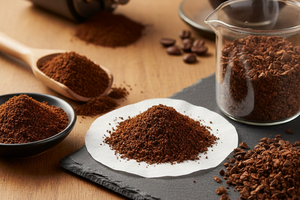
Grind coffee beans immediately before brewing so aromatic oils don’t evaporate.
-
Store coffee in an airtight container, away from light and heat.
-
Use the correct water temperature—water that is too hot destroys aroma.
-
Choose beans with a pronounced aromatic profile, not just strength.
These small details significantly enhance aroma and make the coffee experience more complete—exactly what brands focused on sensory quality aim to deliver.
Conclusion
We love coffee not only for its taste, but above all for its aroma. The smell of coffee and the brain form a powerful connection that triggers emotions, memories, and pleasure even before the first sip. That is why coffee aroma often stays in our memory longer than its taste—and why it makes coffee truly special.