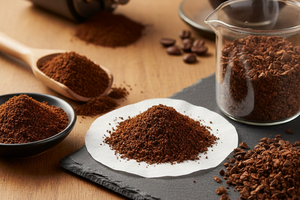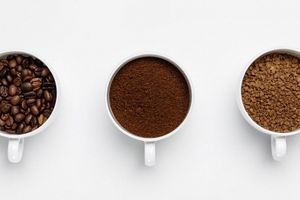
Coffee is an integral part of life for millions of Ukrainians. But along with the pleasure of an aromatic drink comes the question: what to do with coffee grounds at home? Most people simply throw them in the trash, not realizing that these leftovers can become a valuable resource. Around the world, more and more coffee shops and companies are introducing eco-friendly coffee shop solutions for coffee waste, turning grounds into fertilizer, craft materials, or even a source of energy.
Recycling Coffee Grounds: From Waste to Resource

Every year, over 6 million tons of coffee grounds are produced globally, most of which end up in landfills. However, scientific research shows that this material has great potential.
For example, scientists from the University of Portsmouth (UK) discovered that coffee grounds contain up to 20% organic oils, which can be used for biofuel production. And researchers from the Kyiv Polytechnic Institute are developing composting technologies for coffee residues together with food waste, which helps reduce garbage and improve the environmental situation.
Using Coffee Grounds as Fertilizer
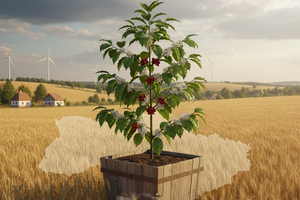
One of the simplest ways for reusing coffee grounds in Ukraine is to apply them as a natural fertilizer.
Coffee grounds contain nitrogen, potassium, phosphorus, and magnesium — microelements essential for plant growth. They help to:
-
improve soil structure;
-
retain moisture;
-
stimulate root system development.
Tip: for indoor plants, use dried coffee grounds, mixing them with soil in a 1:3 ratio. For garden crops, you can add grounds to compost.
In addition, coffee grounds are a natural repellent against slugs, ants, and even cats, which often dig in garden beds.
Coffee Grounds as a Material for Craft Items
Recently, eco-designers and craft masters have been actively experimenting with coffee waste. Thanks to its fine texture and pleasant color, coffee grounds can be used as a filler for:
-
candles (grounds add aroma and texture);
-
soap products (serve as a natural scrub);
-
eco-tableware and jewelry (with natural resins or starch added);
-
decorative elements — candle holders, stands, small bowls.
Companies in Europe are already producing coffee cups made of up to 40% coffee grounds mixed with biopolymers. Such products are fully biodegradable and look aesthetic and modern.
Ukrainian Initiatives for Reusing Coffee Waste
In Ukraine, the direction of eco-innovation in the coffee industry is also actively developing. For example:
-
Lviv’s Green Cafe has introduced a system for collecting coffee waste for composting. They transfer the grounds to farmers to fertilize organic fields.
-
Kyiv startup CoffeeCycle produces heating briquettes from pressed coffee grounds. They release heat slowly and do not create harmful emissions.
-
Coffee brand Trevi, as a coffee manufacturer, supports ecological initiatives and inspires consumers to reuse coffee residues in everyday life.
Such initiatives help form a culture of conscious consumption and show that even small steps — like recycling coffee grounds — matter for the environment.
Summary
Coffee grounds are not trash but a valuable natural resource that can be turned into fertilizer, craft material, or even an energy source. So next time you enjoy a fragrant cup of Trevi coffee, remember: what to do with coffee grounds at home is up to you — but it can always be done in an environmentally friendly way.
Join the community of conscious consumers, support environmentally friendly coffee shop solutions with coffee waste, and choose quality coffee from a Ukrainian producer.