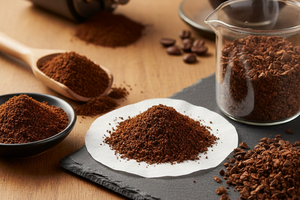
Coffee is one of the most frequently adulterated products in the world. According to the European Commission, coffee consistently ranks among the top five products most affected by counterfeiting, alongside olive oil and wine. For consumers, this means one simple thing: behind attractive packaging, there may be a product very different from what you actually paid for.
In this article, we examine real coffee fraud schemes, explain the signs of counterfeit coffee, and provide practical tips on how to check bean quality before purchase or at home.
Why coffee is so often counterfeited
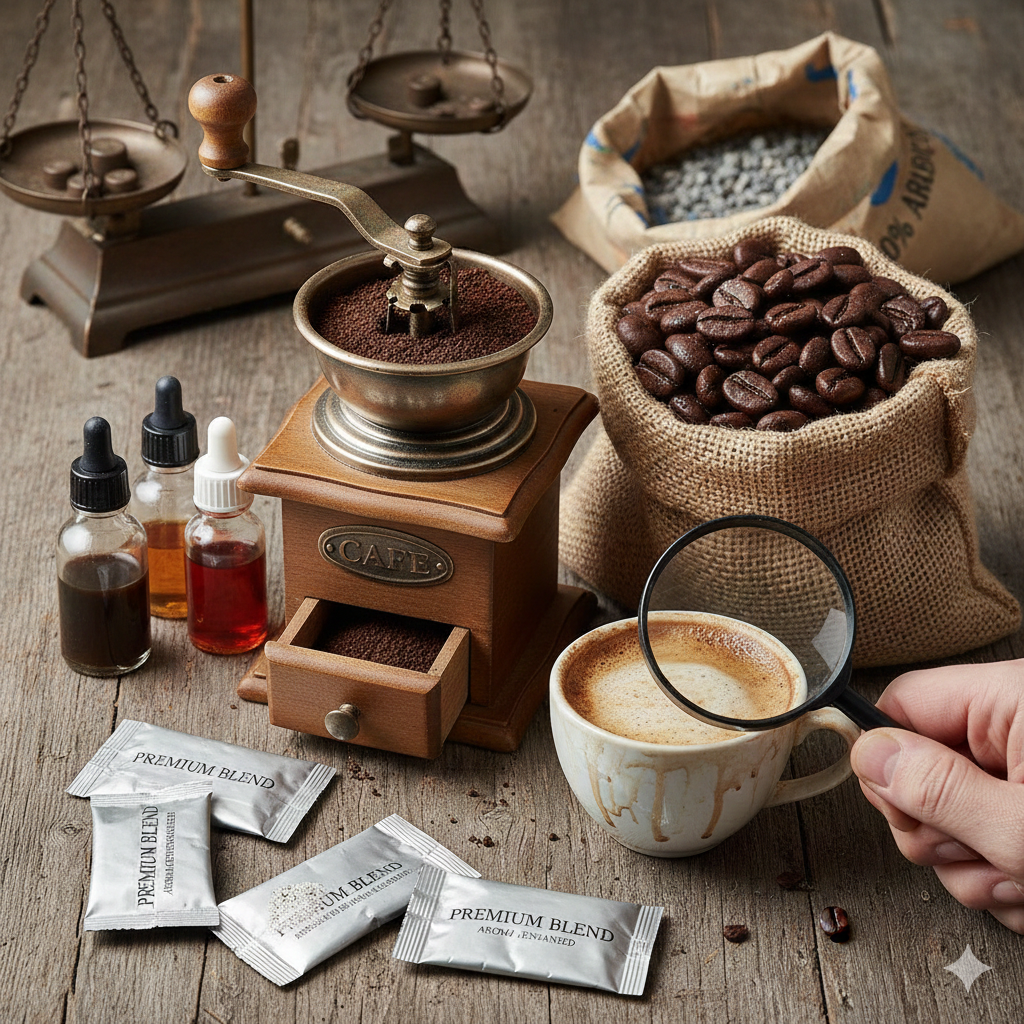
The coffee market is global and highly profitable. High margins, the difficulty for the average consumer to judge quality “by eye,” and the drink’s immense popularity create ideal conditions for fraud.
Main reasons for adulteration:
-
the price gap between specialty and commercial coffee;
-
difficulty tracing the origin of beans;
-
low consumer awareness;
-
the trend for “exotic” flavors and countries of origin.
Counterfeit coffee: the main fraud schemes
1. Substituting the origin of the beans
One of the most common scams is passing off cheap coffee from mass-producing regions as more expensive origins:
-
Vietnam → “Colombia”
-
Low-grade Brazil → “Ethiopia”
-
A blend of different beans → “100% Arabica single origin”
Laboratory studies conducted in Germany (Food Control Journal) found that up to 30% of coffee labeled with a specific origin did not match the declared provenance.
2. Flavorings instead of real taste
Chocolate, caramel, hazelnut, vanilla — familiar? In many cases, these are not natural roasting notes but synthetic flavorings that:
-
mask low-quality beans;
-
hide defects and stale coffee;
-
create the illusion of a “rich” flavor.
This is especially common in ground coffee and inexpensive “dessert-style” blends.
3. Manipulation through roasting
Excessively dark roasting is another deceptive tactic:
-
burnt beans conceal defects;
-
the taste becomes bitter and one-dimensional;
-
terroir and varietal characteristics are lost.
Such coffee is easy to sell as “strong” or “Italian-style,” although in reality it is low quality.
4. Adulterants and substitutes (less common, but still occurring)
In some countries, cases have been documented where coffee was mixed with:
-
barley;
-
chicory;
-
soy;
-
caramelized sugar.
In Ukraine this is rare, but on some import markets it remains a relevant issue.
Signs that you’re dealing with counterfeit coffee
Visual clues
-
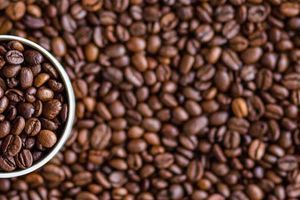
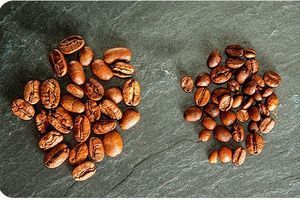
beans of different sizes and shapes in the same package;
-
excessive shine (a sign of old beans or added oils);
-
chips, cracks, dust.
Aroma
-
a sharp, “perfumey” smell;
-
lack of complexity;
-
dominance of a single artificial note.
Taste
-
empty, flat flavor profile;
-
strong bitterness without balance;
-
a very short finish.
How to check bean quality in practice
1. Read the label carefully
Quality coffee always includes:
-
country of origin;
-
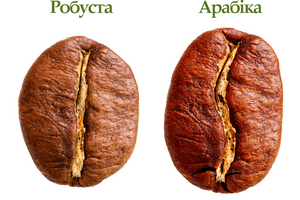
variety (Arabica / Robusta);
-
roast date (not the packing date);
-
manufacturer’s contact details.
Transparency is a key marker of a responsible brand that works directly with customers, including in the wholesale coffee segment, where reputation matters most.
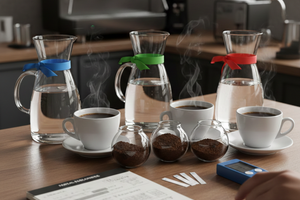
2. At-home checks: simple tests
-
Water test: beans should not sink immediately;
-
Break test: the internal structure should be even, without voids;
-
Grinding: quality coffee has a complex aroma even before brewing.
3. Buy from a producer or a trusted brand
Companies that roast their own coffee have no interest in fakes — their value lies in consistent quality, transparency, and trust. That’s why more consumers choose whole bean coffee directly from Ukrainian producers, where the journey from green bean to cup can be traced.
Facts and studies few people talk about
-
A University College London study (2020) showed that up to 40% of consumers cannot distinguish flavored coffee from natural coffee without prompts.
-
According to the International Coffee Organization, coffee adulteration causes billions in losses to the industry every year.
-
At the same time, there is a growing trend toward local roasters and transparent supply chains — the market’s response to widespread fakes.
Conclusion: awareness is the best protection
Coffee fraud works as long as consumers don’t ask questions. Understanding how to check bean quality, knowing common adulteration schemes, and choosing a responsible producer is not about snobbery — it’s about respect for yourself and your taste.
Ukrainian coffee culture is growing, and with it grows the demand for honest products. And honest coffee always has its own character, story, and genuine flavor — without fakes or masks. ☕