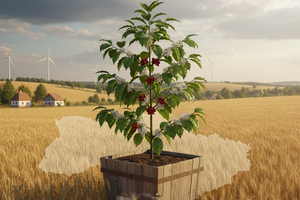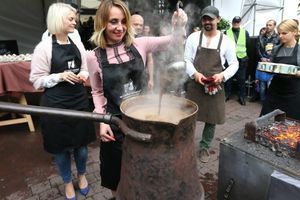
Coffee is one of the most popular beverages in the world, consumed daily by millions of people. It is not just a way to wake up in the morning but a whole culture that unites people across the globe. To better understand what coffee is and where it comes from, it is worth exploring its history, production process, and influence on global culture.
What is coffee?
It is a beverage made from the beans of the coffee tree, which go through several stages of processing: from harvesting the fruits to roasting and grinding. Yet, despite the seeming simplicity of preparation, coffee is an amazingly multifaceted product. Depending on the type of coffee beans, their place of cultivation, and the method of processing, each coffee variety has unique flavor and aromatic characteristics.
Coffee is also a source of caffeine, which stimulates the nervous system, improves concentration, and helps fight fatigue. However, beyond that, coffee contains many other beneficial substances, such as antioxidants, which help protect the body from the harmful effects of the environment.
Fun fact: For a long time in Europe, coffee was considered not only a beverage but also a medicinal remedy. In the 17th century, it was recommended for treating various ailments, including headaches and digestive problems.
The history of coffee: where did it come from?
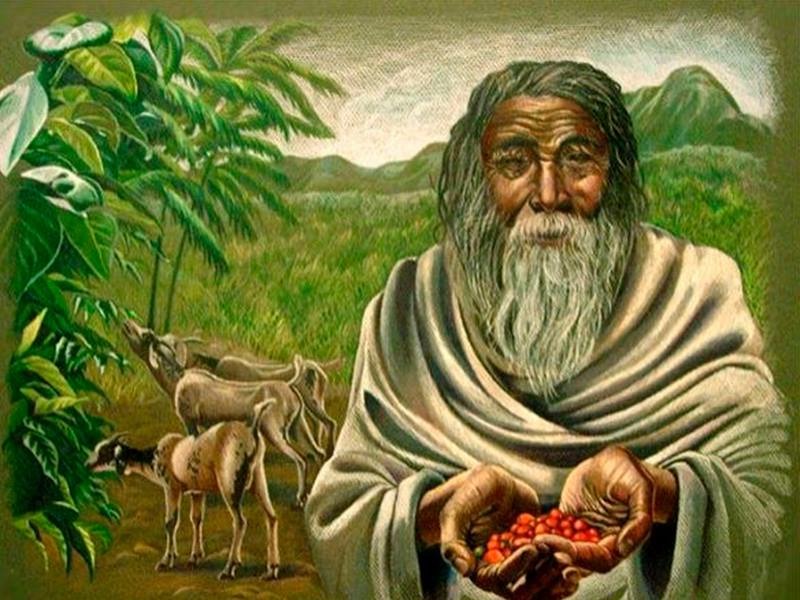 The history of coffee goes far back into the past. The first mentions of coffee as a drink can be found in legends originating from Ethiopia. The most popular legend tells of a shepherd named Kaldi, who discovered the coffee tree while watching his goats. The goats, after eating the fruits of the tree, became unusually energetic, and Kaldi decided to try the berries himself. The energizing effect was so strong that he shared his discovery with monks, who began preparing a drink from the berries to stay awake during night prayers.
Coffee gradually spread across the Arabian Peninsula and soon became popular in the countries of the Middle East. Muslim pilgrims visiting the holy city of Mecca brought coffee with them to other corners of the Islamic world, helping spread it to the Ottoman Empire and later to Europe.
Fun fact: In Yemen, which is considered one of the first countries where coffee was actively cultivated, a special ritual of coffee drinking existed. People drank it slowly, in pleasant company, in coffee houses that became important social centers for discussing news and political issues.
Where does coffee come from today?
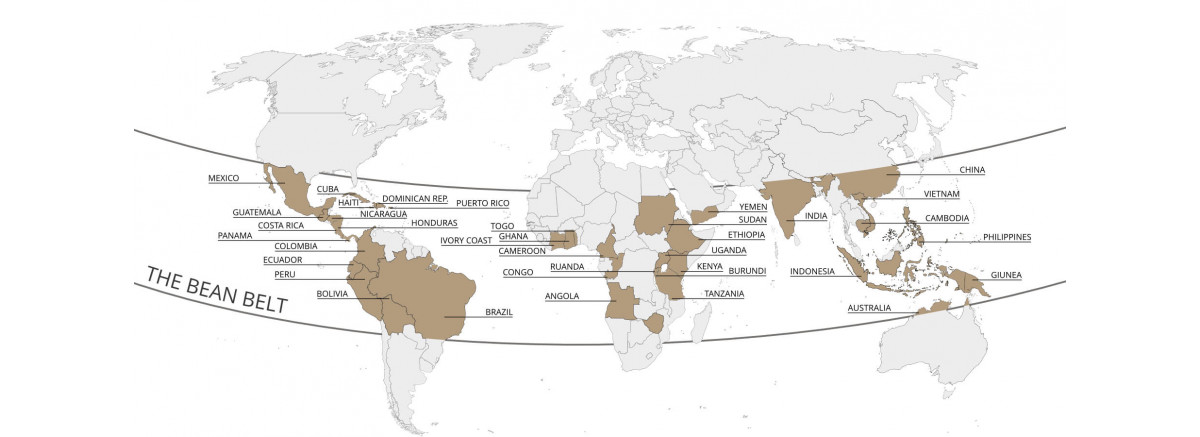
Today, coffee is grown in more than 70 countries of the world, located in the so-called "coffee belt." This is the region stretching across Central and South America, Africa, the Middle East, and Asia. Each country produces unique coffee varieties that differ in taste, aroma, and even texture.
Africa: the birthplace of coffee
Africa, and especially Ethiopia, is the homeland of coffee. Ethiopian coffee is famous for its bright fruity and floral notes. Kenya, also known for its high-quality varieties, produces coffee with a distinctly pronounced acidity. African coffees are often chosen by enthusiasts who appreciate rich and complex flavors.
South America: the main supplier of coffee
South America, especially Brazil and Colombia, is the largest supplier of coffee to the global market. Brazilian coffee is rich, sweet, and often has chocolate and nutty notes. Colombian coffee is known for its mild and balanced taste. Many South American coffees are used to make espresso and cappuccino.
Fun fact: Brazil is the world’s largest coffee producer, accounting for about one-third of global coffee production.
Southeast Asia: unusual varieties
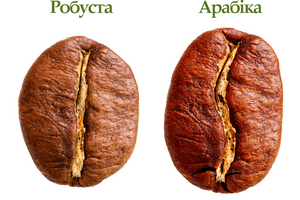
Vietnam is the largest producer of robusta—a type of coffee with a stronger and more bitter flavor compared to arabica. Indonesian coffees, such as kopi luwak (known as "the most expensive coffee in the world"), are characterized by a deep, earthy aroma with notes of spices and herbs.
How did coffee come to Europe?
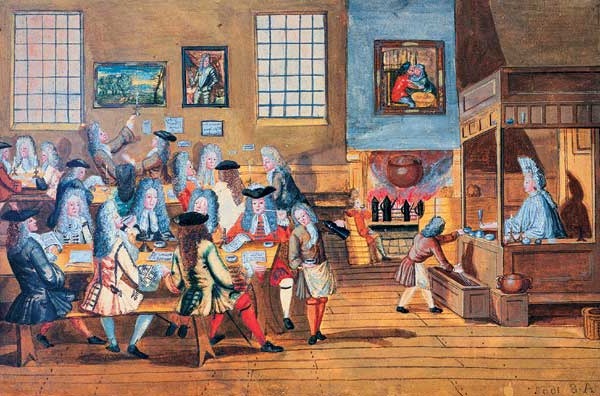 Europeans first learned about coffee in the early 17th century, when the drink was brought by traders from the Ottoman Empire. Venice was the first city where coffee trade became active. Europeans quickly appreciated the unique taste and stimulating effect of coffee, and soon coffee houses began appearing in major cities.
Fun fact: The first coffee house in London opened in 1652, and very soon such establishments became centers of social life. Scientists, politicians, and artists gathered there to discuss the latest news and innovative ideas.
However, coffee was not immediately accepted. For a time, it faced criticism from church figures, who called it "the devil’s black drink." But after Pope Clement VIII tasted it and gave it his blessing, the popularity of coffee grew rapidly.
When did coffee appear in Ukraine?
Coffee came to the territory of modern Ukraine in the mid-17th century, thanks to traders and travelers. The first mentions of coffee houses can be found in Lviv, which was an important cultural and trade center. Lviv’s coffee houses quickly gained popularity among the nobility and the intelligentsia. Today, Ukraine has become one of the countries where coffee culture continues to develop actively, and the company Trevi plays an important role in this process, offering a wide selection of coffee beans and blends for every taste.
Conclusion
Coffee is not just a drink—it is an entire culture with a centuries-old history. It has traveled the path from humble beginnings in Ethiopia to worldwide recognition, becoming a symbol of morning energy and social connection. Today, coffee is an integral part of the daily life of millions of people across the globe.