In recent years, the world of coffee has seen a surge in interest in so-called specialty coffee. This term is used to refer to high-quality coffee that is distinguished by its unique flavor, impeccable production, and strict quality control. Let's take a look at what specialty coffee actually means, how it is produced, and what characteristics help to distinguish it.
Specialty coffee: definition and standards
Specialty coffee is the highest category of coffee, which is evaluated by professional tasters known as Q-graders. According to the standards of the Specialty Coffee Association (SCA), a drink is considered specialty if it scores more than 80 points out of 100 on a special tasting scale.
The main parameters that influence the evaluation of coffee:
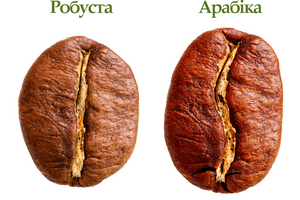
- Origin of beans. Specialty coffee is always made from Arabica and has a clearly defined geography of cultivation.
- Processing methods. Such beans are processed using a natural, washed, or semi-dry method, which affects the taste and aroma of the drink.
- Absence of defects. Specialty coffee beans are practically free of defects such as damage, blemishes or foreign inclusions.
- Unique taste. Specialty coffee is distinguished by its complexity and multifaceted taste, including notes of fruit, berries, chocolate, nuts and even flowers.
These features make specialty coffee a true work of art in the world of coffee.
How is specialty coffee produced?
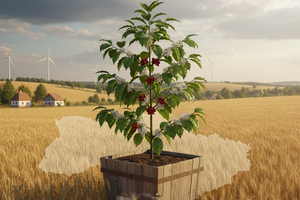
Specialty coffee production is a labor-intensive process that begins with the selection of a region for planting coffee trees. Most such plantations are located in high-altitude areas with unique climatic conditions.
Production stages:
- Growing. Coffee trees are grown taking into account the characteristics of the soil, altitude and climate. Only Arabica varieties are used.
- Hand picking. Ripe berries are picked exclusively by hand, which allows only the best specimens to be selected.
- Grain processing. After harvesting, the grains undergo one of three processing methods (natural, washed or semi-dry), each of which affects the taste.
- Roasting. Specialty coffee is roasted in small batches to maximize flavor and aroma.
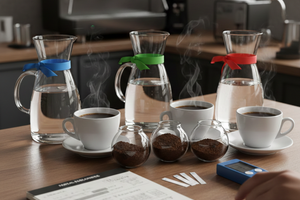
- Tasting. Coffee is tested by Q-graders who rate it on a number of criteria, including aroma, flavor, acidity, body, and aftertaste.
Each of these stages requires a high level of skill, which makes specialty coffee truly unique.
How do you tell specialty coffee from regular coffee?
1. Information on the packaging
Specialty coffee is always accompanied by detailed information:
- Region of origin.
- Arabica variety.
- Processing method.
- Roasting date.
If only general information is indicated on the packaging, it is most likely commercial grade coffee.
2. Appearance of beans
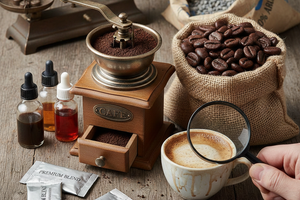
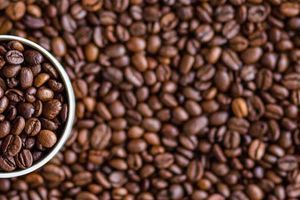
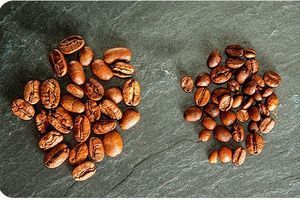
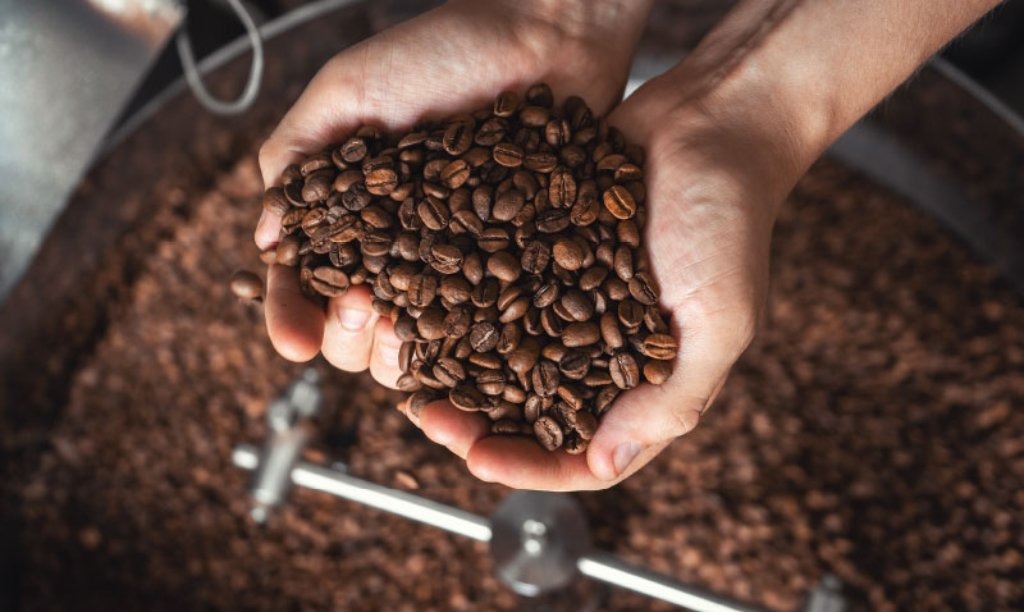
Specialty coffee beans are uniform in size and color, without cracks or damage.
3. Aroma and taste
Before brewing, such beans have a rich aroma, and the drink itself is distinguished by a bright taste with a harmonious balance of acidity and sweetness.
You can purchase high-quality coffee beans that meet specialty standards in specialized stores or on our company's website.
Interesting facts about specialty coffee
- Taste research: Specialized coffee associations regularly conduct research to study the influence of climate, soil and altitude on the taste of beans. For example, Harvard scientists have proven that altitude directly affects the richness and acidity of the drink.
- Demand for specialty coffee is growing: According to the International Coffee Organization (ICO), the demand for specialty coffee is growing by 8% annually.
- Competitions: In the world of coffee, barista championships are held, where participants use only specialty beans.
Why is it worth trying specialty coffee?
Specialty coffee is not just a drink, but a way to enjoy true art. It is suitable for those who appreciate quality, unique flavors and seek to discover new facets of coffee culture.
Trevi has been producing coffee for many years, paying special attention to quality and taste characteristics. Our beans undergo strict control at every stage so that you can enjoy only the best coffee.
Specialty coffee is not a fashion, but a culture that is becoming closer due to the availability of a quality product. Try it and you will feel the difference!