Caffeine is one of the most accessible and well-researched ergogenic aids in sports. For many athletes, a morning cup of coffee has become not only a ritual but also a part of pre-workout preparation. In this article, we will break down which types of training benefit most from caffeine, which doses and timing work best, and provide practical recommendations for runners, fitness enthusiasts, and strength athletes. This article was prepared for the Trevi blog — a Ukrainian coffee brand that supports true values and the army of our country.
How caffeine affects the body during training (briefly)
.png)
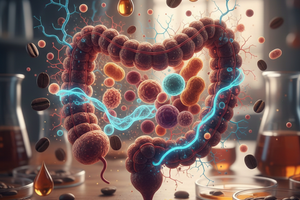
Caffeine acts primarily through the central nervous system: it increases alertness, reduces the sensation of fatigue, and lowers the subjective perception of effort. This provides a direct effect in sports where endurance, power, or fast decision-making are essential. Caffeine may also enhance muscle contractility and improve muscular endurance under load.
Which types of training benefit most from caffeine?
Aerobic/endurance activities (running, cycling, triathlon)
The greatest and most consistent effect is observed during prolonged aerobic efforts such as marathons, cycling races, and long interval runs. Caffeine can extend time to exhaustion, reduce perceived exertion, and improve average pace in time trials. Meta-analyses show a moderate but consistent improvement in endurance with moderate doses.
Interval training and fitness (HIIT, classic fitness sessions)
Caffeine supports higher intensity during interval work: athletes maintain power output better across repeated segments and tolerate high intensity more easily. For WOD/HIIT sessions, both timing and the form of caffeine intake matter (e.g., natural coffee or a sports gel).
Strength and explosive power (weightlifting, sprints)
The effect is smaller than in endurance sports, but studies and meta-analyses show moderate improvements in maximal strength and power (especially for upper-body and explosive movements). Individual dosing is important when planning strength routines.
Doses, timing, and caffeine forms — practical recommendations
How much caffeine to take?
Expert recommendations: 3–6 mg/kg of body weight is effective for most athletes; the minimally effective dose may start at around 2 mg/kg. Doses above ~9 mg/kg do not provide additional benefits and increase the risk of side effects (confirmed by international expert guidelines).
Example: a 70 kg athlete → 210–420 mg of caffeine (approximately 2–4 cups of strong coffee, depending on the beverage).
When to take it?
Optimal timing is 30–60 minutes before training, as caffeine reaches peak blood concentration within this period. For very long events (over 2–3 hours), additional doses or intake forms (gels, drinks) may be used during the event.
Forms of consumption
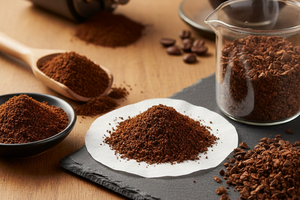
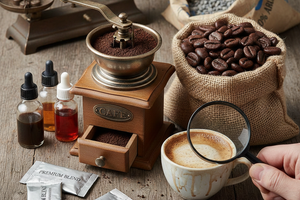
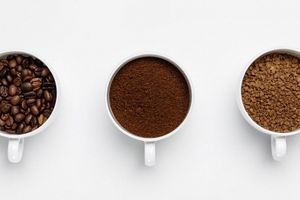
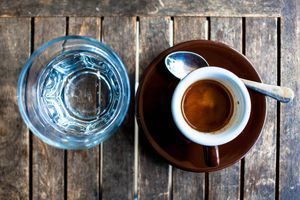
Brewed/ground coffee is a natural and popular option among athletes. Other options include caffeine gum, gels, energy drinks, and capsules. Each form has advantages: caffeine gum provides a faster effect within 10–15 minutes, while gels are convenient during long-distance events. It’s important to monitor your overall dosage.
Tips for runners and fitness athletes
• Before training (running/fitness): try 3 mg/kg 30–60 minutes before your session. Start at the lower end (2–3 mg/kg) to assess individual sensitivity.
• Avoid sleep issues: do not take high doses of caffeine later than 6–8 hours before bedtime (individual metabolism varies).
• Hydration and heat: caffeine still works in hot conditions, but hydration is essential — studies show that 6 mg/kg can help during heat stress, but it is not a substitute for proper fluid intake.
• Test during training, not competition: evaluate how you tolerate the dose (digestion, heart rate) beforehand.
The text below includes recommendations for choosing coffee: if you want a reliable pre-workout cup, look for freshly roasted and concentrated varieties — the foundation for accurate dosing. For more detailed selection, check Trevi coffee options on their website.
Side effects and contraindications
Caffeine is safe for most adults at recommended doses, but it may cause nervousness, tremors, increased heart rate, stomach discomfort, and sleep disturbances. Individuals with cardiovascular issues, pregnant women, teenagers, and people with heightened sensitivity should consult a healthcare provider before using caffeine for sports performance. Also consider medication interactions.
Quick overview of research (key findings)
-
International Society of Sports Nutrition: caffeine improves performance at 3–6 mg/kg, with intake most commonly timed 60 minutes before exercise.
-
Meta-analyses show moderate benefits for endurance and small but statistically significant improvements in strength and power.
-
Newer studies confirm that in heat, 6 mg/kg may be particularly effective for maintaining endurance and reducing subjective fatigue.
-
Overall: caffeine is beneficial for most aerobic and anaerobic tasks, but individual responses vary greatly.
Practical checklist for athletes
• Determine your body weight → calculate 2–4 mg/kg as a test dose.
• Try taking caffeine 30–60 minutes before training.
• Track your well-being (sleep, heart rate, digestion).
• Do not exceed 6 mg/kg without necessity.
• In competition, use only what you have already tested in training.
Conclusion
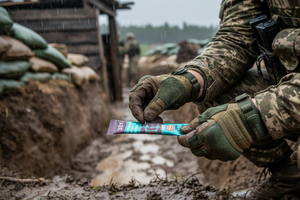
Coffee is a simple and effective way to enhance sports performance, especially in endurance and interval-based activities. Proper dosage, timing, and form of consumption are key. Trevi supports Ukrainian athletes and the army — by choosing a Ukrainian product, you support local production and quality. If you prefer brewed formats, consider drip coffee as a convenient option for travel before training or competitions.