
Coffee is one of the most popular drinks in the world, but not everyone can or wants to consume caffeine. For such people, there is a great option - decaffeinated coffee. This drink allows you to enjoy the taste and aroma of classic coffee, excluding the stimulating effect of caffeine. Let's take a closer look at what decaf is, what are its benefits, and what are the possible risks.
What is decaf?
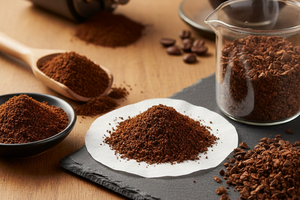
Decaf is coffee from which most of the caffeine has been removed. The decaffeination process uses various methods to remove caffeine while preserving the basic taste characteristics of the drink. On average, about 3% of the original caffeine content remains in such coffee. This drink is ideal for those who want to avoid the stimulating effect of caffeine, but are not ready to give up coffee itself.
Decaffeination Methods

Decaffeinated coffee, or decaffeinated coffee, is produced using various technologies:
The water method is one of the safest methods of decaffeination, which involves using water to remove caffeine.
The solvent method - this method uses chemicals that bind to caffeine molecules and remove them from the beans.
The CO2 method is an innovative technology that removes caffeine using carbon dioxide. This method is considered environmentally friendly and gentle on the taste of coffee.
Each method is effective in its own way, but they all provide a minimum caffeine content in the product.
Benefits of decaffeinated coffee
The main advantage of decaffeinated coffee is its mild effect on the body. People who are sensitive to caffeine can drink decaf at any time of the day without fear of side effects such as tachycardia, insomnia, or increased nervousness. This makes decaf an ideal choice for those who suffer from hypertension, anxiety, or sleep problems.
Maintains antioxidant levels
Despite the removal of caffeine, decaffeinated coffee retains most of its beneficial properties, including antioxidants that help fight free radicals. Studies show that antioxidants such as polyphenols help reduce inflammation in the body and may prevent the development of chronic diseases such as heart disease and diabetes.
Benefits for people with sensitive digestive systems
For people with sensitive stomachs, decaffeinated coffee is a safer choice. Caffeine stimulates the production of gastric juice, which can cause discomfort and heartburn in some people. Decaf reduces this effect, making the drink gentler on the digestive system.
Reduced risk of certain diseases
According to some studies, regular consumption of decaffeinated coffee may reduce the risk of developing a number of diseases, such as type 2 diabetes and Alzheimer's disease. While caffeine can cause blood sugar fluctuations, decaf has a more consistent and predictable effect on metabolism.
The downsides of decaffeinated coffee
While decaffeinated coffee has many benefits, it can also have some downsides. For example, the decaffeination method using chemical solvents can be a concern for those who are health-conscious. However, it is worth noting that modern technology makes this process safe, and the level of residual chemicals is strictly controlled.
Effects on cholesterol
Some studies have shown that certain types of decaf can increase cholesterol levels, especially if the coffee has been processed using a solvent method. This effect is more likely to be seen with larger amounts of the beverage.
Lack of stimulation
For those who are used to the morning boost of caffeine, decaffeinated coffee may not seem effective enough. It does not have such an invigorating effect, which can be a disadvantage for people who value a boost of energy after a cup of coffee.
Decaf coffee: benefits and harms
Weighing the benefits and harms of decaffeinated coffee, we can conclude that the benefits outweigh the potential risks. Decaf retains most of the beneficial properties of regular coffee, such as antioxidants, while eliminating many of the negative effects associated with caffeine.
Who is decaffeinated coffee suitable for?

This drink is ideal for:
People with increased sensitivity to caffeine;
Those who suffer from hypertension, insomnia or anxiety;
Coffee lovers who want to enjoy a drink at any time of the day without risking their sleep.
Choosing decaffeinated coffee
It is important to pay attention to the quality of decaf. When buying such coffee, you should give preference to products produced using environmentally friendly decaffeination methods. This guarantees that the drink will not only be safe, but will also retain its best taste and aromatic qualities.
If you want to try decaf from a trusted manufacturer, pay attention to the decaffeinated coffee category on our website. Here you will find various options for high-quality decaffeinated coffee, which is perfect for both a morning cup and an evening relaxation.
In conclusion, decaffeinated coffee is a great choice for those who want to maintain the habit of enjoying a fragrant drink, but avoid the negative effects of caffeine. In addition, modern studies confirm that decaf can be beneficial for health, and its regular consumption can reduce the risk of certain diseases.