Coffee lovers often argue: what’s better — freshly roasted coffee or the usual commercial coffee from the supermarket shelf? At first glance, the difference seems to be only in price, but in reality, the distinctions go much deeper. Let’s try to understand what roasting really is, how it affects flavor, and whether fresh coffee is worth the expense.
What is coffee roasting and how does it affect flavor
Roasting is the process during which green coffee (beans after harvesting and drying) turns into the aromatic coffee we all know. The temperature, time, and skill of the roaster determine not only the color of the beans but also their flavor profile — that is, aroma, acidity, body, and aftertaste.
Stages of roasting:
-
Drying — the beans lose residual moisture.
-
Caramelization — chemical reactions (the Maillard reaction) occur, forming sweetness and aroma.
-
First crack — the beans “pop,” taking on their familiar look.
-
Cooling — fixes the resulting flavor and aroma.
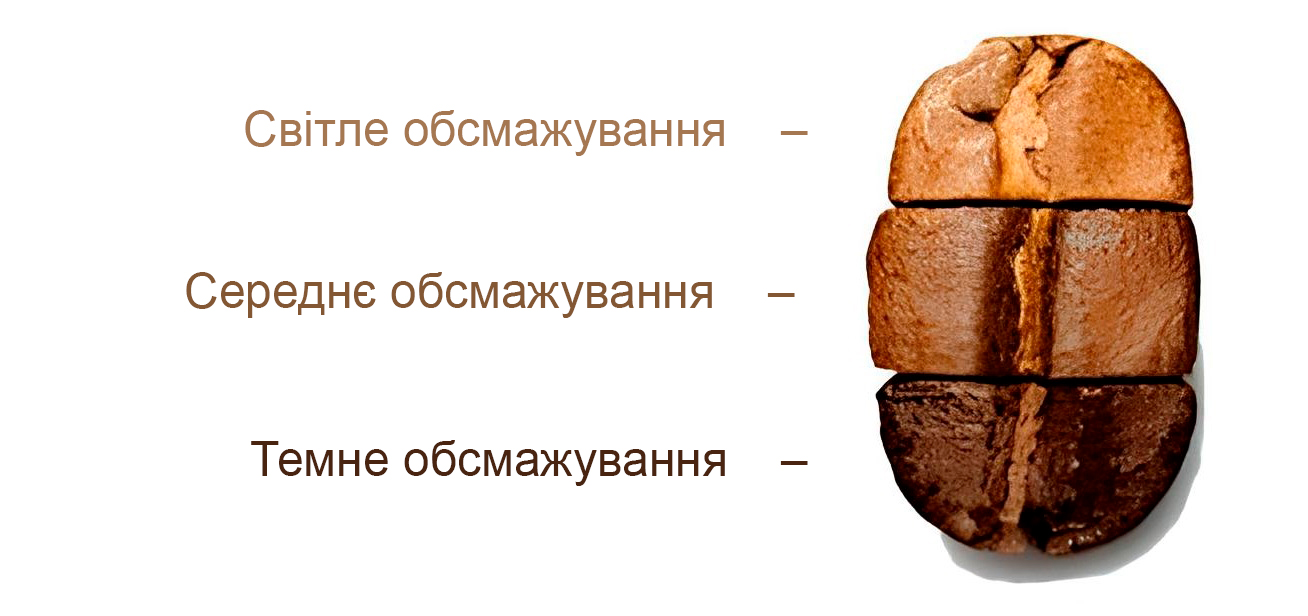
It’s at this stage that the difference between roast levels is formed:
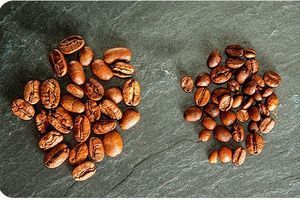
light — preserves acidity and fruity notes;
medium — balanced;
dark — more bitter, with chocolate and caramel notes.
Freshly roasted coffee: pros and cons
✅ Advantages:
-
Flavor and aroma — at their most intense. Fresh essential oils have not yet evaporated, so the aroma fully reveals itself.
-
Individual approach — you can buy coffee roasted to order, choosing the roast level and desired profile.
-
Transparent origin — local roasters usually indicate the country, farm, variety, and roast date.
⚠️ Disadvantages:
-
Price — freshly roasted coffee costs more due to manual labor and high-quality raw beans.
-
Shorter shelf life — after 3–4 weeks, the aroma diminishes.
-
Availability — not always easy to find in regular stores, though where to buy freshly roasted coffee in Ukraine is no longer a difficult question thanks to online shops.
Commercial coffee: stability and compromises
Commercial (mass-market) coffee has its advantages — it’s cheaper, widely available, and has a long shelf life. However, you pay for that with loss of aroma and flavor depth.
To ensure stability, manufacturers often use blends of beans of different quality and a darker roast to mask imperfections in the raw material.
Where coffee is roasted in Ukraine: local roasters
Ukrainian coffee culture is developing rapidly. In different cities, local roasters are emerging, creating unique coffee profiles:
-
Trevi — a Ukrainian coffee producer specializing in roasting medium- and premium-quality beans. They offer both classic blends and freshly roasted single-origin coffees.
-
Foundation Coffee Roasters (Kyiv) — known for their coffees from high-altitude farms in Ethiopia and Costa Rica.
-
Lviv Coffee Roasters (Lviv) — preserve Lviv’s coffee traditions, emphasizing aroma and body.
-
Finca Coffee (Kharkiv) — specialize in espresso and filter coffee, carefully selecting roast profiles.
How to store and grind coffee without losing quality
To keep the flavor of freshly roasted coffee rich and intense:
-
Store beans in airtight packaging, away from light, heat, and moisture.
-
Do not keep coffee in the refrigerator — it promotes condensation and loss of aroma.
-
Grind coffee just before brewing. Ground beans lose aroma within 15–20 minutes after grinding.
-
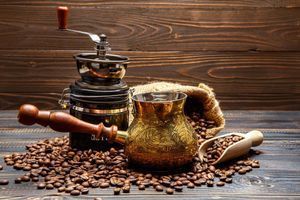
Use whole beans if you have a grinder — it’s the best guarantee of quality.
How to tell if coffee is fresh
-
Roast date — must be indicated on the packaging.
-
Smell — the aroma should be rich, without musty or cardboard notes.
-
Appearance of the beans — even roast, without oily shine (a sign of aging).
-
Air valve on the packaging — shows that the coffee is “breathing” and fresh.
Conclusion: is fresh coffee worth the money?
If you’re looking for true flavor, aroma, and coffee pleasure, the answer is clear — yes.
Freshly roasted coffee is not just a drink — it’s an experience.
Yes, it’s more expensive, but it compensates with quality and satisfaction in every cup.