The connection between coffee and the gut microbiome is currently being actively studied by scientists. The gut microbiome affects digestion, the immune system, hormone production, and even mood. Therefore, the question of how daily dietary habits—particularly coffee consumption—affect the microbiota has become extremely relevant.
New Research: Coffee as a Modulator of the Microbiota
.png)
Recent years have been groundbreaking in studying the effects of coffee on the body. Among the most interesting scientific findings are the following:
1. Coffee increases the diversity of beneficial bacteria
A study conducted by Baylor University (USA, 2023) showed that regular coffee consumption is associated with an increase in Bacteroidetes bacteria and a decrease in Firmicutes. This balance is considered beneficial because it improves metabolic health and reduces systemic inflammation.
Interestingly, coffee polyphenols act as natural prebiotics—that is, “food” for beneficial microbiota.
2. Caffeine content also matters
A scientific paper published in Nutrients (2024) demonstrated that caffeine and the gut interact in a more complex way than previously thought. In moderate doses, caffeine stimulates gut motility and promotes a healthy balance of bacteria, but excessive consumption may cause imbalance in sensitive individuals.
3. Microbiota and coffee: how roasting affects bean properties
A European study (2022) showed that darker roasting increases the concentration of melanoidins—powerful antioxidants that positively affect the microbiome. This is why freshly roasted coffee not only has taste value but also functional benefits.
Can coffee act as a probiotic?
Although coffee does not contain live bacteria, it can function as a metabiotic—a product that positively influences the activity of existing microbiota. Coffee polyphenols are converted by bacteria into beneficial metabolites, such as short-chain fatty acids (SCFAs), which support colon health.
Does the brewing method matter?
Yes! Recent publications in the Journal of Agricultural and Food Chemistry (2023) note:
-
Filtered coffee contains more polyphenols and fewer diterpenes, making it better for people prone to high cholesterol.
-
Espresso is a more concentrated beverage with a stronger prebiotic effect.
-
Cold brew preserves more chlorogenic acids, which beneficially affect the microbiota.
The impact of bean quality on gut health
It is also worth noting that both the organoleptic and health properties largely depend on the raw material. For example, premium coffee beans contain higher concentrations of antioxidants and polyphenols, which are directly linked to positive effects on the microbiome.
Coffee and anti-inflammatory effects
Several studies published in Gut Microbes (2024) demonstrate that regular moderate coffee consumption is associated with a reduced risk of developing inflammatory bowel diseases (IBD). This is related to:
-
Increased levels of beneficial bacteria producing SCFAs;
-
Antioxidant properties of melanoidins;
-
Reduced oxidative stress.
Practical tips: how to drink coffee for gut health
To best support a healthy gut, consider the following recommendations:
-
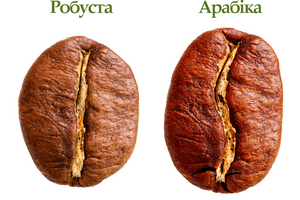
Choose high-quality 100% Arabica.
-
Drink 1–3 cups per day—this is the optimal amount for a positive effect.
-
Avoid excessive sugar and heavy cream.
-
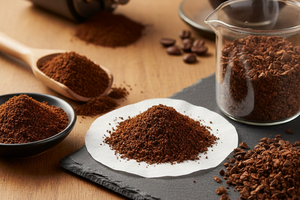
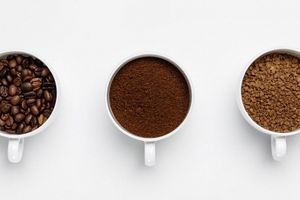
Prefer freshly ground coffee—it contains more beneficial organic compounds.
-
Try different brewing methods to find the perfect balance of taste and benefits.
Coffee is not just an energy drink. Modern research shows that it can positively interact with our bodies at the deepest level—the level of the microbiome. Choosing high-quality coffee can be an important step toward improving your daily well-being.